

The Answer May Be More Natural Than You Think
Written by Dr. Lisa Hilpl, DMD and Owner of Comfort Care Dental in Mansfield, MA.
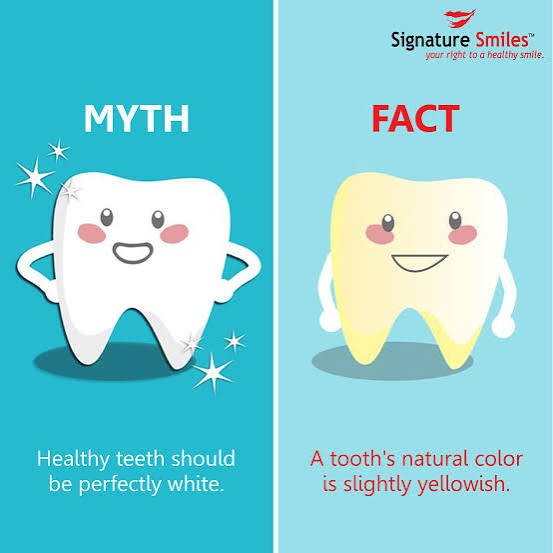
“Why are my teeth yellow? I brush them every day!”
It’s a question I hear often. We’re surrounded by pictures of brilliant white smiles, so it’s easy to assume that healthy teeth should look like white paper. But teeth come in a range of natural shades, and a little yellow does not automatically mean your teeth are stained, unhealthy, or showing their age.
Your teeth have a natural color
The color you see is a combination of two layers. Enamel is the outer layer. It can be somewhat translucent, allowing light to pass through it. Beneath it is dentin, which often has a warmer, yellowish tone. Your enamel and dentin together help determine the shade of your smile. People naturally differ in the color and translucency of these layers.
Think of it like putting a sheer curtain over a painted wall: the color underneath still influences what you see. Some people have teeth that look creamy or ivory, while others have teeth with a cooler, brighter appearance. Both can be perfectly healthy.
Even within one smile, teeth may have slightly different shades. Your canine teeth, for example, may look warmer than your front teeth. That variation is part of what makes a smile look natural.
When is yellowing caused by stains?
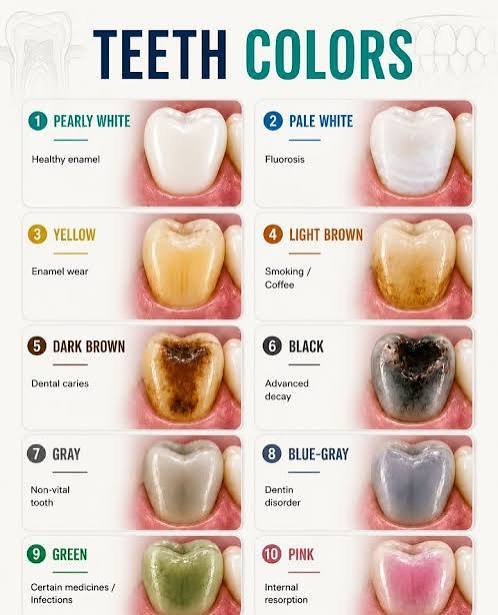
Coffee, tea, red wine, and tobacco can leave color on the outside of teeth. This is called surface staining, and a professional cleaning may help remove it. Whitening toothpaste can also remove some surface stains, though it cannot change the basic color of the tooth beneath them.
If you’ve always had a warmer tooth shade, however, there may be little surface stain to remove. Brushing harder won’t change your natural dentin color, and aggressive scrubbing can wear your teeth over time.
Can age change tooth color?
Yes. As enamel becomes thinner or more translucent over time, more of the yellowish dentin may show through. But age is only one possible reason teeth look yellow. Someone can have a naturally warm shade when they’re young and still have healthy enamel. (ada.org)
Acid exposure and tooth wear can also thin enamel. That’s one reason I like to look at the whole picture, especially if a change in color comes with sensitivity or a change in the shape of your teeth.
What if I want a brighter smile?
First, let’s find out why your teeth look yellow. A cleaning may be enough if surface stain is the main issue. If you want to lighten your natural tooth shade, whitening may be an option. Results vary, and fillings and crowns won’t whiten along with your natural teeth. (ada.org)
If one tooth suddenly changes color, or you notice pain, sensitivity, or a new dark spot, have it checked rather than assuming it’s ordinary staining. An injury or another dental problem may need attention.
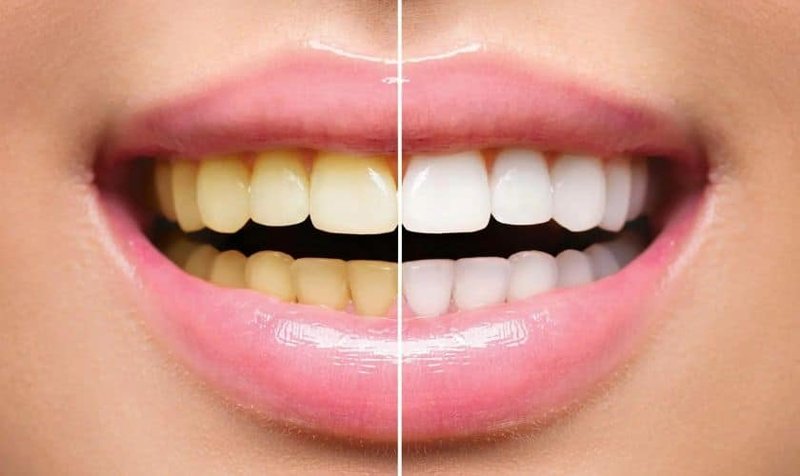
My message to patients is simple: healthy teeth do not have to be dazzling white. Your natural shade may be ivory, creamy, or slightly yellow, and that can be completely normal. The best smile goal is one that looks good and keeps your teeth healthy.
About Dr. Lisa: Dr. Lisa Hilpl owns Comfort Care Dental in Mansfield, MA, where she helps patients understand their oral health and feel comfortable with their care. Curious about your tooth color or whitening options? Visit comfortcaredentalma.com or call 508-851-9300.